533 Yinnar RoadHazelwood VIC 3840
Property Details for 533 Yinnar Rd, Hazelwood
Last Listing description (November 2016)
* Fabulous Victorian Italianate residence
* 3 big bedrooms each with fireplace
* Separate lounge and dining rooms each with fireplace
* Approximate 12 acres (4.682ha) divided into 8 paddocks
* Town water supply
DESCRIPTION The homestead at 'Burn Brae' is a simple late Victorian Italianate villa, with verandahs on two sides, and a hipped roof, now clad in colourbond. Of typical design, form and layout, the building is notable for its internal and external cladding material: Both the exterior and interior walls are covered with pressed metal sheeting in a variety of ornate patterns. The external cladding
simulates rusticated stonework and is believed to be a product produced by Wunderlich, which
was known as 'imitation rockface'. Internally, an extraordinary array of pressed metal sheeting
with art nouveau-influenced designs has been used in the hallway and main rooms. In the hallway
and some rooms one design is used up to dado height, with a contrasting design above. The
hallway features a pressed metal clad arch with columns.
Other features include:
- a centrally placed front entrance door with sidelights and highlights
- decorative eaves brackets
- the return verandah supported on turned timber posts with cast iron frieze and brackets.
- three brick chimneys with corbelling
- original double hung sash windows
Part of the verandah was been enclosed, and there is an addition clad in a fibreglass material
manufactured to look like the original cladding.
There are two outbuildings to the rear of the house; a small gabled weatherboard building, and a
corrugated iron clad building.
Condition Good Integrity High
Threats Key elements
Designer W Young (builder) Builder
HISTORY THEMATIC CONTEXT
The squatters were not destined to keep control over their large tracts of leasehold. After the
goldrushes significantly increased Victoria s population, the government introduced legislation
that promoted more intensive use of the land and enabled many former gold miners to 'select' land
and develop farms. Under a series of land acts, the former squatting runs were thrown open for
selection. Selectors began arriving in 1865, as a result of the Grant Land Act. A decade later, the
railway line that was under construction provided further inducement to select in the area and a
Lands Office was opened in Traralgon. As a series of land acts were passed, conditions that the
selectors had to fulfil changed. For prospective selectors moving to Flynn s Creek, for example,
after the lease on the Loy Yang run had been extinguished in 1877, boundaries had to be fenced, a
house built and a designated proportion of the land had to be cleared and cultivated each year.
Selectors had to live on their properties.
Selection has had a major impact on shaping the land in this region. It attracted large numbers of
people to the area, resulted in widespread clearing of land, and was responsible for many of
Latrobe City s towns and communities developing. Selection led to the foundation of institutions
such as schools and churches and to new local government areas.
Although selectors faced many difficulties carrying out their schedules of improvements including
floods, fires, caterpillar plagues, poor prices and limited capital, land on the plains and river flats
was transformed from forest and scrub to cleared paddocks, fenced crops and pasture. Swamps
were drained. In the early 1880s, selectors began penetrating the southern regions of the City,
selecting land in Jumbuk, Boolarra, Budgeree and Callignee. The rainfall was higher in the
densely forested Strzeleckis and it was assumed the land was fertile because of the giant trees that
grew there. Ahead of them was the Herculean task of clearing the giant trees, and of trying to get
their produce to market (Context, 2008:4).
PLACE HISTORY
The homestead at 'Burn Brae' was constructed on the crest of a rise in 1912 by W. Young
(builder) for William and Ellen Bond. Local opinion is that 'Burn Brae' was built of pressed metal
to reduce the risk from bush fires. In 1987, an addition was made to the house, which was clad in
fibreglass sheeting, made to look like the original cladding.
William Bond and his brother, George, were among the early selectors in the Yinnar district.
William married Ellen O'Hara.
Pressed metal sheeting was first manufactured in Australia in 1890 by Wunderlich Patent Ceilings
And Roofing Co. Ltd, following earlier popularity in America. It was commonly used for ceiling
linings, and sometimes as internal wall linings. Pressed metal sheeting was one of an increasing
range of mass produced building materials that were available for use by the early twentieth
century in the ordinary house although generally more expensive than wood or plaster. As well as
internal linings, the Wunderlich catalogue of 1897 listed a wide range of metal products in zinc,
copper or aluminium, including roofing, cornices, gable fillings, pediments, crestings etc. Sheet
steel, imported from John Lysaght Ltd, Bristol, England (The company which perfected the steel
rolling process c.1900) from about 1906, enabled this cheaper material to replace zinc. Exterior
cladding was produced in (at least) rough cast and 'imitation rock face' and was promoted as being
inexpensive, cheap to pack and freight and easy to attach. This made it particularly suitable for use
in remote country areas.
SOURCES
Context Pty Ltd & Dr Meredith Fletcher, 'Latrobe City Heritage Study. Volume 1: Thematic
Environmental History', 2008
Stephen M. Legg, 'Heart of the Valley. A History of the Morwell Municipality', 1992, p.42
Chris Johnston, 'Latrobe Valley Heritage Study', 1991
Creation Date 1912 Change Dates 1987
Associations
William & Ellen Bond
Local Themes
2. SETTLING THE LAND: LAYERS
OF SETTLEMENT
2.2 Selection
Property Code: 40
Property History for 533 Yinnar Rd, Hazelwood, VIC 3840
- 12 Sep 2015Sold for $470,000
- 29 Jul 2015Listed for Sale AUCTION
- 19 Dec 2001Sold for $230,000
Recent sales nearby
See more recent sales nearby/assets/perm/sxllw6f6cqi6nng54f3k75x5xa?signature=8d0a3a820fead298ca53839c63258562ae6590eb85928f32a5835757f018fe62) 0
0Similar properties For Sale nearby
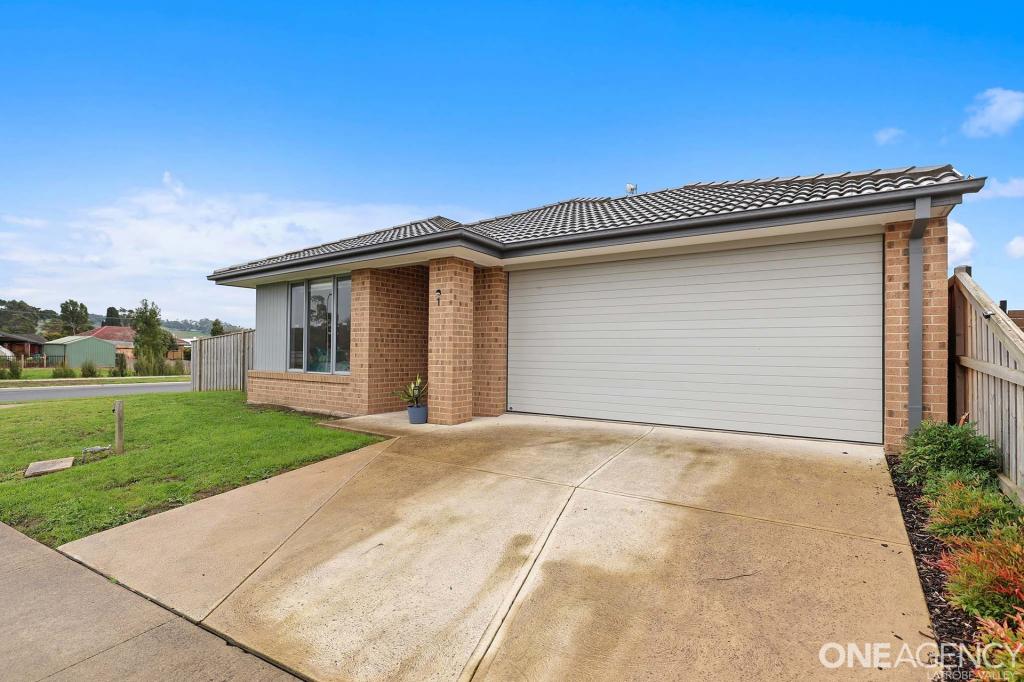
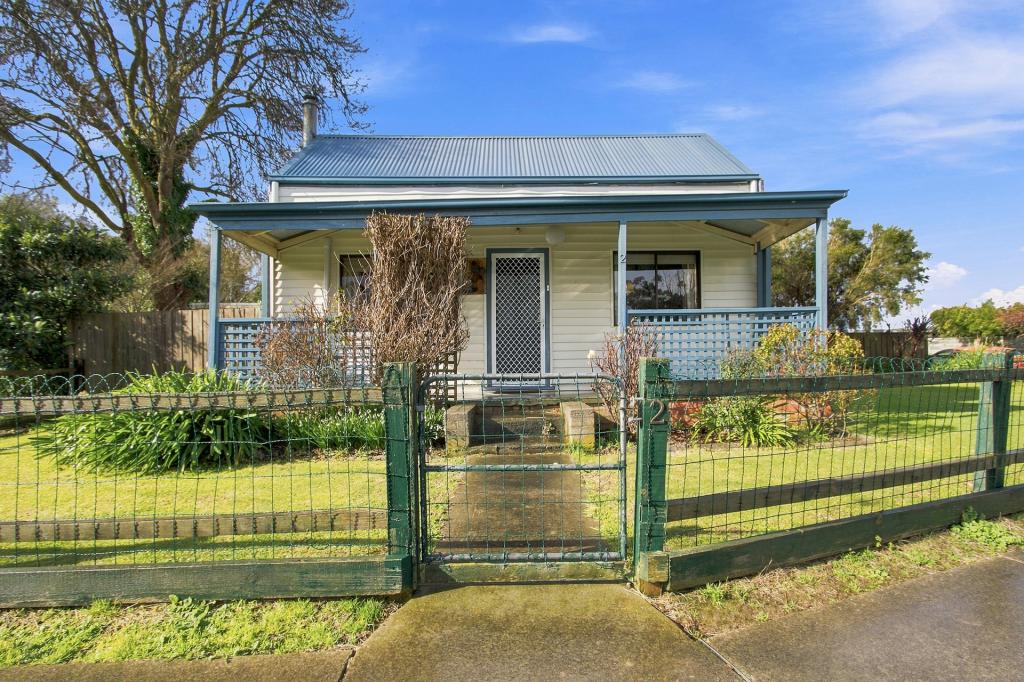
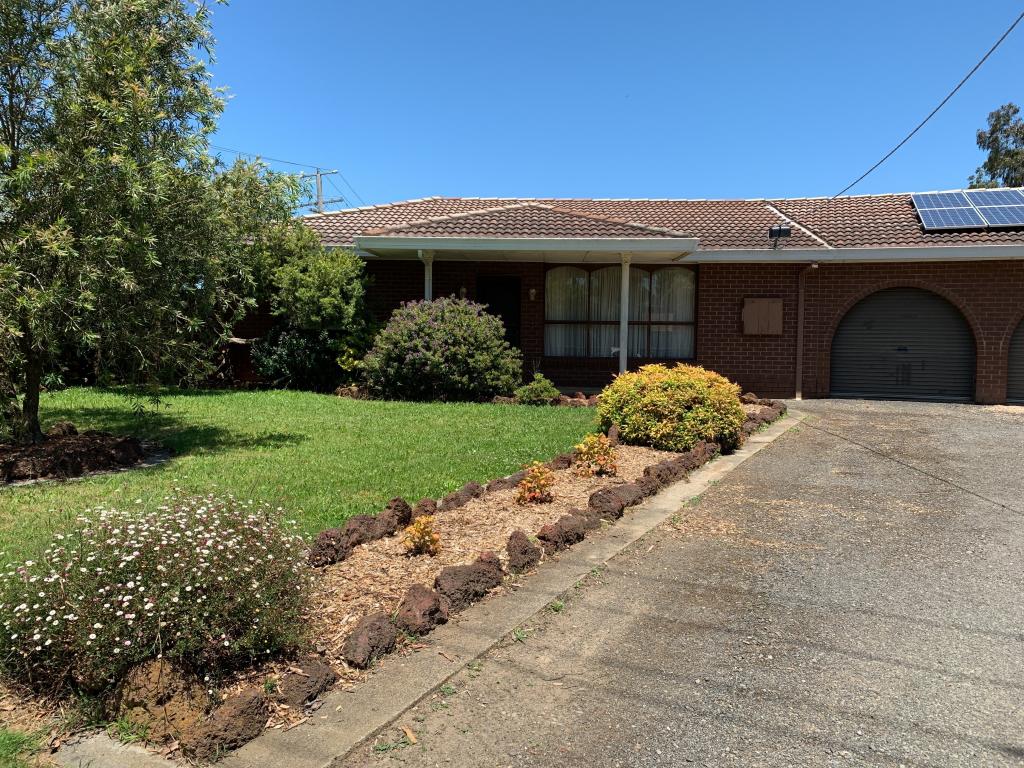
See more properties for sale nearby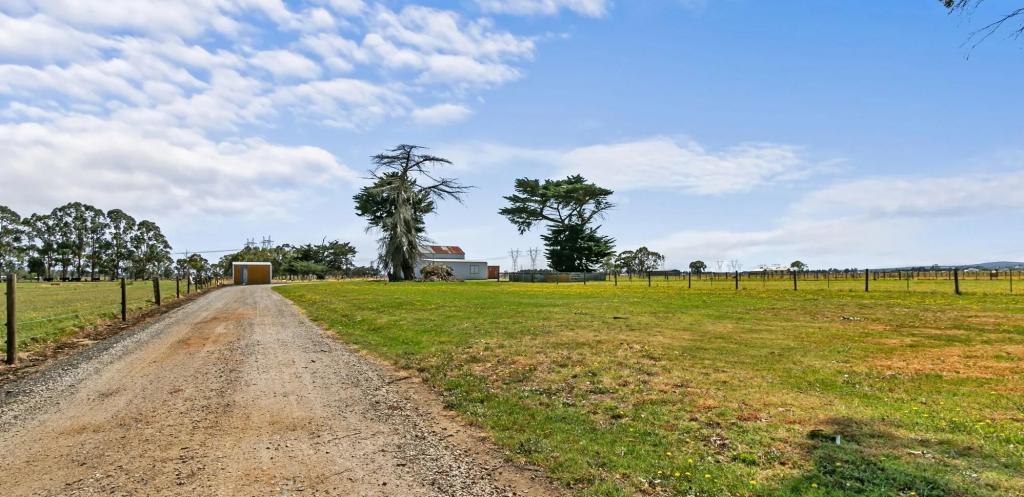 0
0
 0
0

 0
0
 0
0About Hazelwood 3840
The size of Hazelwood is approximately 46.0 square kilometres. The population of Hazelwood in 2016 was 184 people. By 2021 the population was 189 showing a population growth of 2.7% in the area during that time. The predominant age group in Hazelwood is 50-59 years. Households in Hazelwood are primarily childless couples and are likely to be repaying $1400 - $1799 per month on mortgage repayments. In general, people in Hazelwood work in a managers occupation.In 2021, 90.30% of the homes in Hazelwood were owner-occupied compared with 83.60% in 2016.
Hazelwood has 114 properties. Over the last 5 years, Houses in Hazelwood have seen a 7.66% increase in median value. As at 31 July 2026:
- The median value for Houses in Hazelwood is $902,243.
Suburb Insights for Hazelwood 3840
Market Insights
Hazelwood Trends for Houses
N/A
N/A
View TrendN/A
N/A
Hazelwood Trends for Units
N/A
N/A
View TrendN/A
N/A
Neighbourhood Insights
© Copyright 2026. RP Data Pty Ltd trading as Cotality (Cotality). All rights reserved. No reproduction, distribution, or transmission of the copyrighted materials is permitted. The information is deemed reliable but not guaranteed.
While Cotality uses commercially reasonable efforts to ensure the Cotality Data is current, Cotality does not warrant the accuracy, currency or completeness of the Cotality Data and to the full extent permitted by law excludes all loss or damage howsoever arising (including through negligence) in connection with the Cotality Data.
This product uses cookies and other similar technologies to improve and customise your browsing experience, to tailor content and adverts, and for analytics and metrics regarding visitor usage on this product and other media. We may share cookie and analytics information with third parties for the purposes of advertising. By continuing to use our website, you consent to cookies being used. View our Privacy Policy here.
X