190 George StreetEast Melbourne VIC 3002
Property Details for 190 George St, East Melbourne
190 George St, East Melbourne is a 4 bedroom, 2 bathroom House with 2 parking spaces and was built in 1910. The property has a land size of 237m2 and floor size of 273m2. While the property is not currently for sale or for rent, it was last sold in April 2025.
Last Listing description (July 2025)
In upmarket East Melbourne, a stone's throw from the Fitzroy Gardens, Murnell is a rare and exclusive home. Rare, because among the classic Victorian homes lining the streets of the genteel suburb, Murnell stands out as an Art Nouveau residence.
Carved into the timber fretwork of its grand front rooms with their pressed metal ceilings and stained glass windows, are unique silhouetted images of kookaburras. Rare too, because since it was built in 1909, Murnell has only had six owners.
Those owners have respected the four bedroom home's period features including original fireplaces, timber mantels, extensive leadlight and Baltic pine floorboards, while sympathetically updating it, adding a conservatory and installing hydronic heating.
The formal living room with bay window overlooks George Street, while the formal dining room and kitchen open to the conservatory to capture the northern light.
Upstairs the expansive main bedroom steps down to a large tiled ensuite. Two more bedrooms with open fireplaces and balconies to George Street, share a central bathroom, while at the rear, the fourth bedroom/retreat opens to a north-facing balcony with green outlooks.
East Melbourne was always a sought-after address for members of Parliament, government officials and city and professional people who appreciated living close to their workplaces, offices and shops on the other side of the Fitzroy Gardens.
Murnell is especially rare because, according to the original 1860s subdivision of the block bordered by George, Clarendon and Hotham streets, it shouldn't even exist.
That block was reserved for the proposed Anglican Cathedral of Melbourne. When the Cathedral was built on the corner of Swanston and Flinders Streets, the smaller Holy Trinity Church was built instead. Holy Trinity burnt down in 1905, the site was subdivided and blocks sold off around 1908.
Enter Miss Elizabeth Clarke, a member of Victoria's richest family at the turn of the 20th century. Elizabeth bought the land and commissioned architect C.A. Cooper to design her perfect Art Nouveau home.
After Elizabeth's death, Murnell was bought by the Roche family who kept it until 1953 when it was purchased by a branch of the Returned Soldiers Sailors and Airmens Imperial League (forerunner of the RSL), which locked up the top floor and used the two large downstairs rooms as a library and meeting room.
Sold three more times, once this century, this rare survivor is now ready for its next owners to enjoy.
Property History for 190 George St, East Melbourne, VIC 3002
- 16 Apr 2025Sold for $3,900,000
- 10 Oct 2024Listed for Sale Expressions of interest
- 19 Jun 2023Listed for Rent $1,400 / week

Recent sales nearby
See more recent sales nearby/assets/perm/b3hzee6rs4i6nhie5mgk5qtphy?signature=db7d930fbedcd6db685c3bb2682499912914e11c7cc129ec86a2f341aafc7ef6) 0
0

/assets/perm/jlpuuoadsei6vfdbypdbudopaq?signature=d41fd47558fa6a403359c9c5d76bd0101e8b2cd3060de5005ba3a38e4b74bc17) 0
0/assets/perm/hurtu256dai6nozii7ky67r4ju?signature=9551a41083f363c10bf031a56a746e5c5214d555ad56000477fe002d75c55b7a) 0
0Similar properties For Sale nearby
See more properties for sale nearby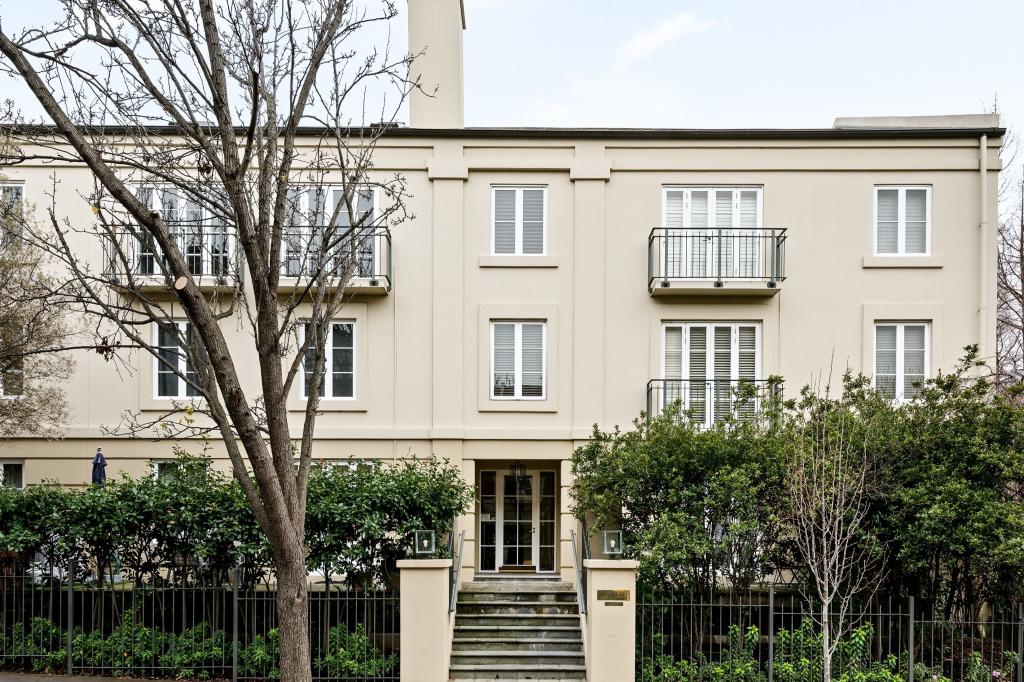 0
0
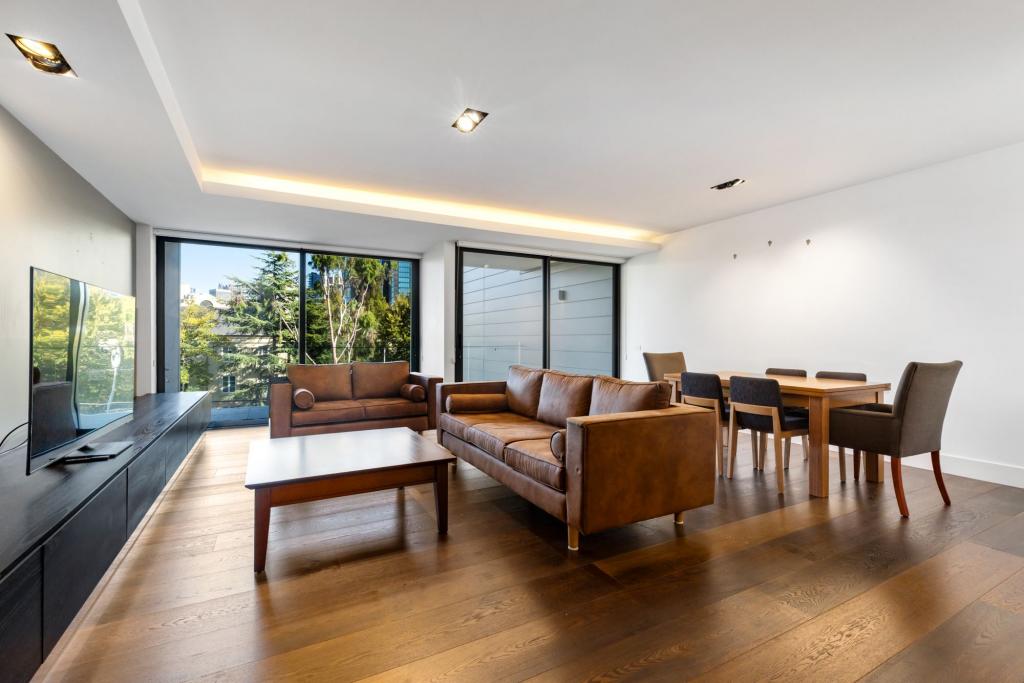 0
0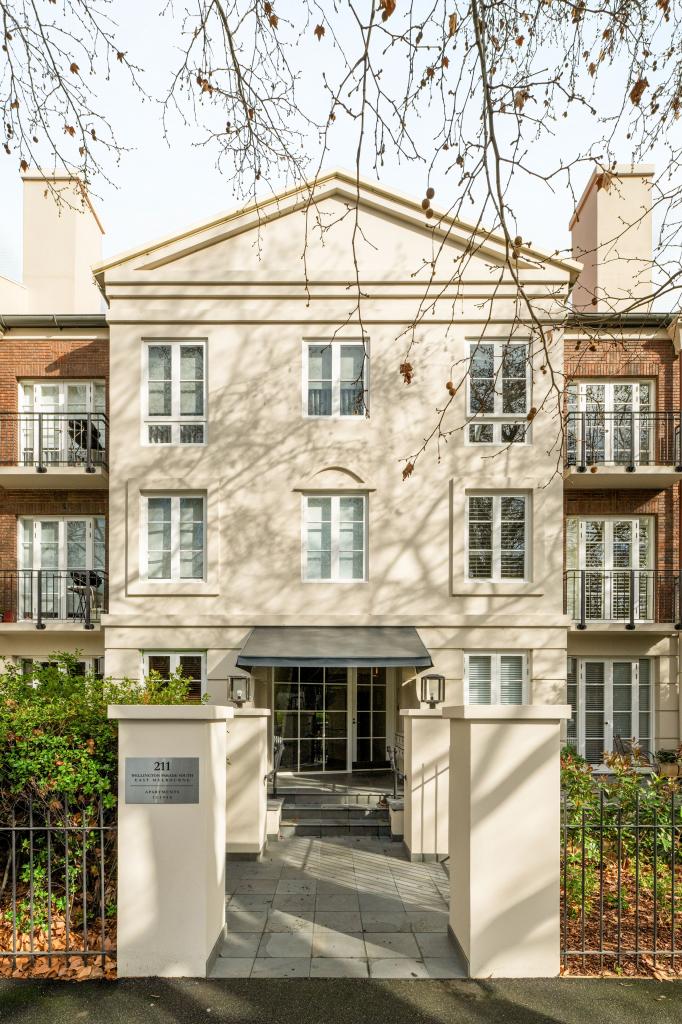 0
0Similar properties For Rent nearby
See more properties for rent nearby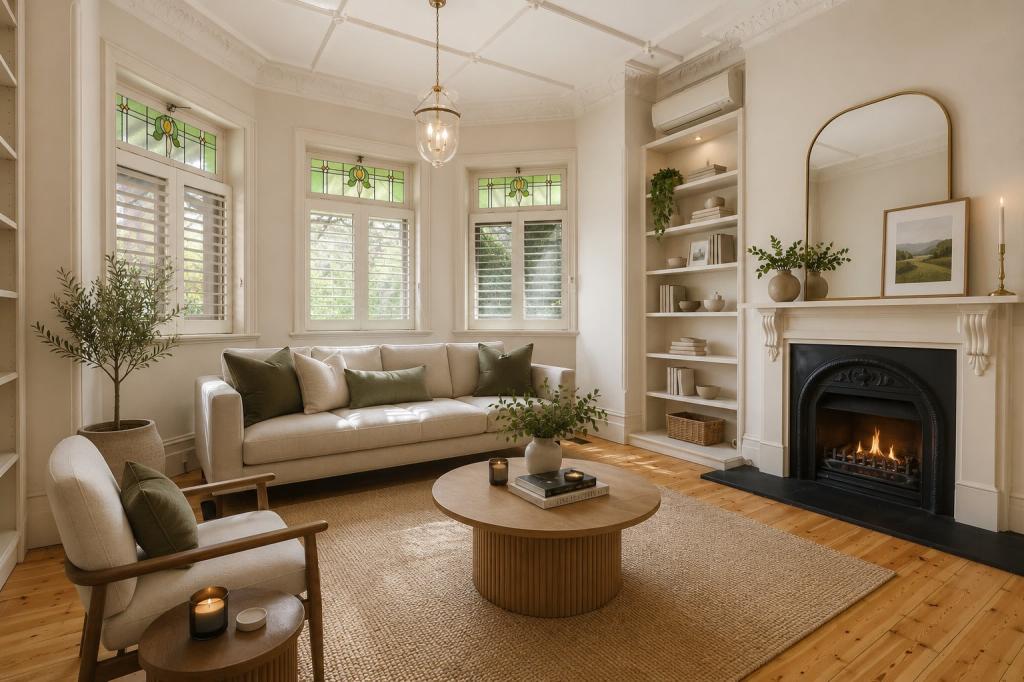 0
0
 0
0 0
0

About East Melbourne 3002
The size of East Melbourne is approximately 1.9 square kilometres. There are 10 parks, covering nearly 46.0% of the total area. The population of East Melbourne in 2016 was 4964 people. By 2021 the population was 4896 showing a population decline of 1.4% in the area during that time. The predominant age group in East Melbourne is 30-39 years. Households in East Melbourne are primarily childless couples and are likely to be repaying over $4000 per month on mortgage repayments. In general, people in East Melbourne work in a professional occupation.In 2021, 44.80% of the homes in East Melbourne were owner-occupied compared with 43.60% in 2016.
East Melbourne has 5,830 properties. Over the last 5 years, Houses in East Melbourne have seen a -10.47% decrease in median value, while Units have seen a -2.25% decrease. As at 31 July 2026:
- The median value for Houses in East Melbourne is $3,171,102 while the median value for Units is $751,974.
- Houses have a median rent of $1,150 while Units have a median rent of $680.
Suburb Insights for East Melbourne 3002
Market Insights
East Melbourne Trends for Houses
N/A
N/A
View TrendN/A
N/A
East Melbourne Trends for Units
N/A
N/A
View TrendN/A
N/A
Neighbourhood Insights
© Copyright 2026. RP Data Pty Ltd trading as Cotality (Cotality). All rights reserved. No reproduction, distribution, or transmission of the copyrighted materials is permitted. The information is deemed reliable but not guaranteed.
While Cotality uses commercially reasonable efforts to ensure the Cotality Data is current, Cotality does not warrant the accuracy, currency or completeness of the Cotality Data and to the full extent permitted by law excludes all loss or damage howsoever arising (including through negligence) in connection with the Cotality Data.
This product uses cookies and other similar technologies to improve and customise your browsing experience, to tailor content and adverts, and for analytics and metrics regarding visitor usage on this product and other media. We may share cookie and analytics information with third parties for the purposes of advertising. By continuing to use our website, you consent to cookies being used. View our Privacy Policy here.
X